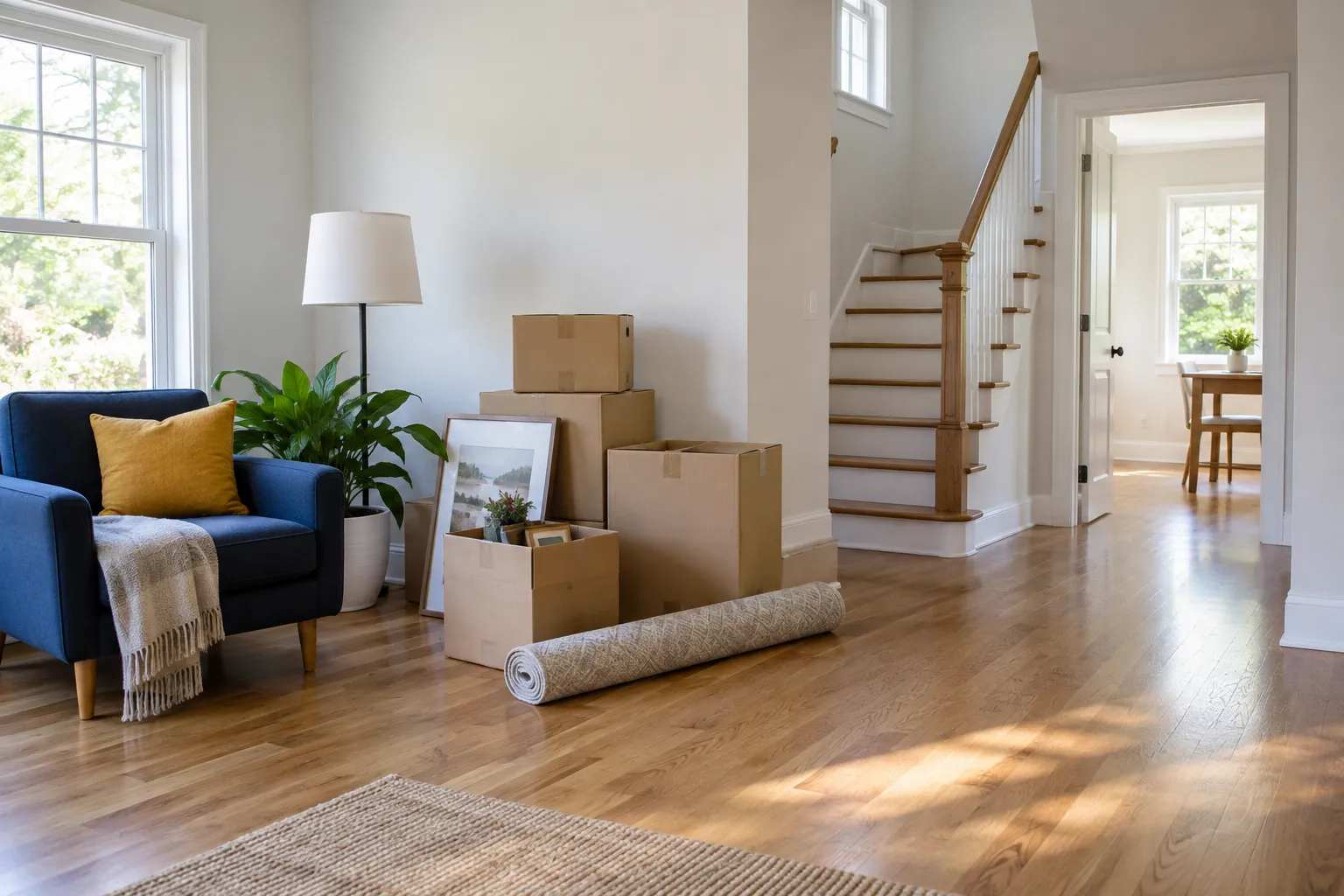
A cleanout estimate depends on more than the number of rooms. Two apartments with the same item count can require different work if one has an elevator and loading dock while the other has narrow stairs and a long street carry. Give enough detail for the provider to understand the material and the route.
The six main estimate factors
- Volume. How much vehicle space the approved items occupy after reasonable loading.
- Weight. Dense material can require more labor and may be handled differently than light household contents.
- Access. Floors, stairs, elevators, hallways, gates, parking, and carrying distance affect time and handling.
- Item type. Furniture, appliances, electronics, loose debris, and regulated materials do not follow the same route.
- Labor and preparation. Bagged or boxed small items differ from mixed loose contents. Disassembly and protection may add work.
- Timing. Building reservations, narrow work windows, and urgent deadlines can affect what is possible.
Use a scope sheet
| Field | What to record |
|---|---|
| Property | House or apartment, rooms involved, floor, and occupancy status |
| Large items | Sofas, mattresses, dressers, appliances, desks, shelving |
| Small contents | Approximate boxes or bags, and whether items are loose |
| Dense material | Books, tile, soil, scrap metal, or other unusually heavy material |
| Access | Stairs, elevator, narrow turns, walking distance, parking |
| Special items | Electronics, batteries, paint, chemicals, refrigerant appliances |
| Deadline | Move date, lease turnover, closing, or building reservation |
Photos should explain, not hide
Take one wide photo of each room and a separate photo of every large or unusual item. Include stairs, elevator doors, narrow turns, and the distance to the likely loading point. Do not use a close crop that makes a full room look like one small pile.
Questions to ask a provider
- What is included in the quoted scope?
- Which conditions could change the price?
- Are stairs, long carries, or disassembly included?
- Which items are not accepted or need a separate route?
- When is the price confirmed?
- What access or parking must the customer arrange?
Heavy items need more than a guess
OSHA’s ergonomics materials identify load weight, carrying distance, twisting, grip, frequency, floor conditions, and space constraints as lifting concerns. See the OSHA Technical Manual, reviewed September 24, 2026. The source is workplace guidance, but the factors explain why a piano, safe, packed bookcase, or basement appliance should be disclosed instead of treated like an ordinary box.
To discuss a Lancaster cleanout, call (202) 555-0134 with the scope sheet above. A precise description makes the first conversation more useful.